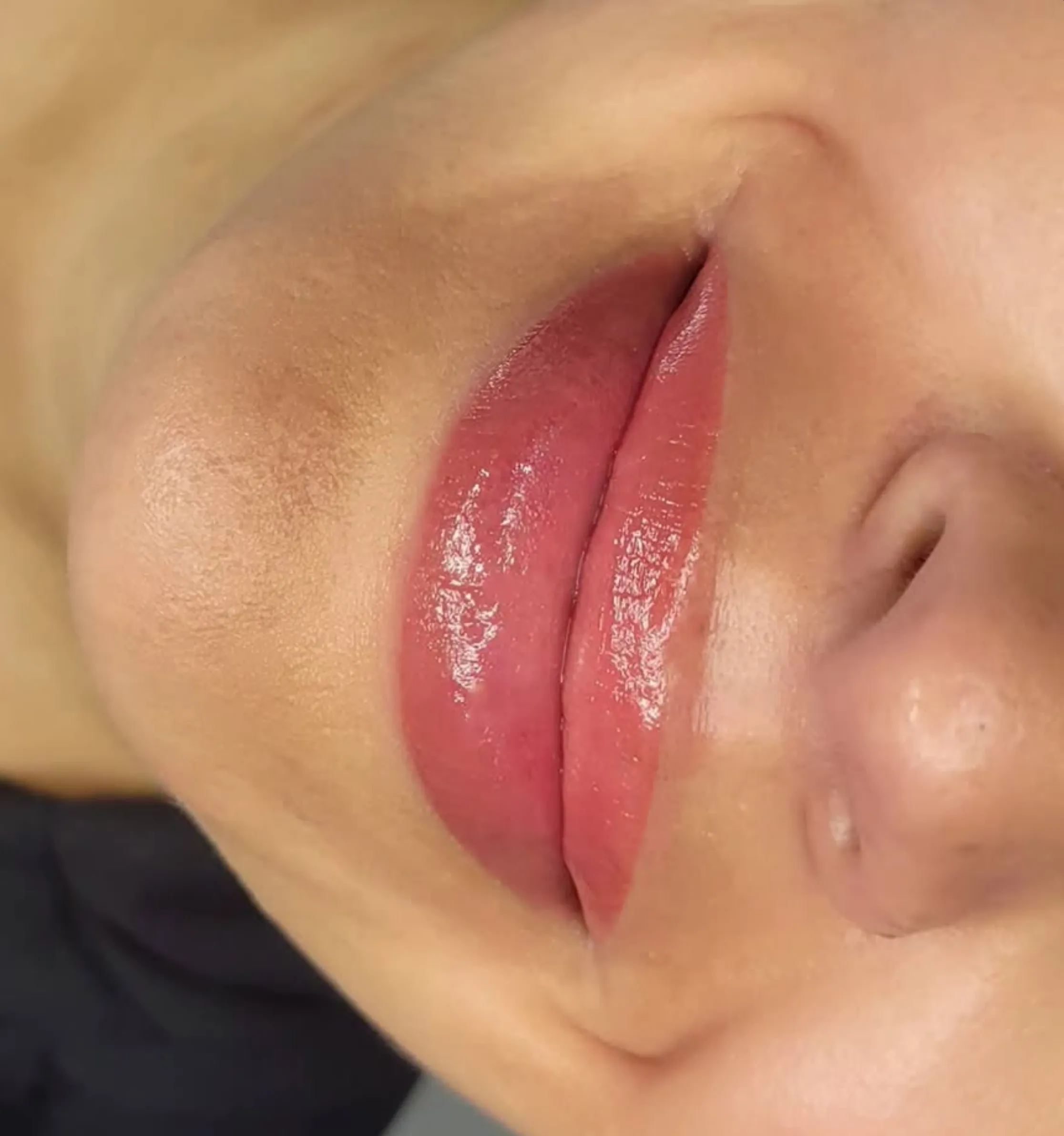
So you’ve just had a lip tattoo and are feeling a bit overwhelmed by the dos and don’ts of tattoo aftercare. Between healing stages, colour retention and keeping infections or cold sores at bay, we get asked one question all the time in our Melbourne studio: Can I put Vaseline on my lip tattoo?
The short answer? No. There are better options that work with your skin, not against it. This guide explains what Vaseline lip balm does to tattooed lips, what to use instead and how to keep your pout happy during the healing stage — without compromising your pigment or triggering an allergic reaction.
Contents
- 1 Why Barrier Ointments Matter for Lip Tattoo Healing
- 2 Why Vaseline Isn’t Ideal for Fresh Lip Tattoos
- 3 What to Use Instead: Healing Balms That Help
- 4 Healing Timeline: What to Expect Week by Week
- 5 Pro Tips from the Treatment Room
- 6 Melbourne Skin, Melbourne Climate: Why It Matters
- 7 The Bottom Line
- 8 FAQ
Why Barrier Ointments Matter for Lip Tattoo Healing
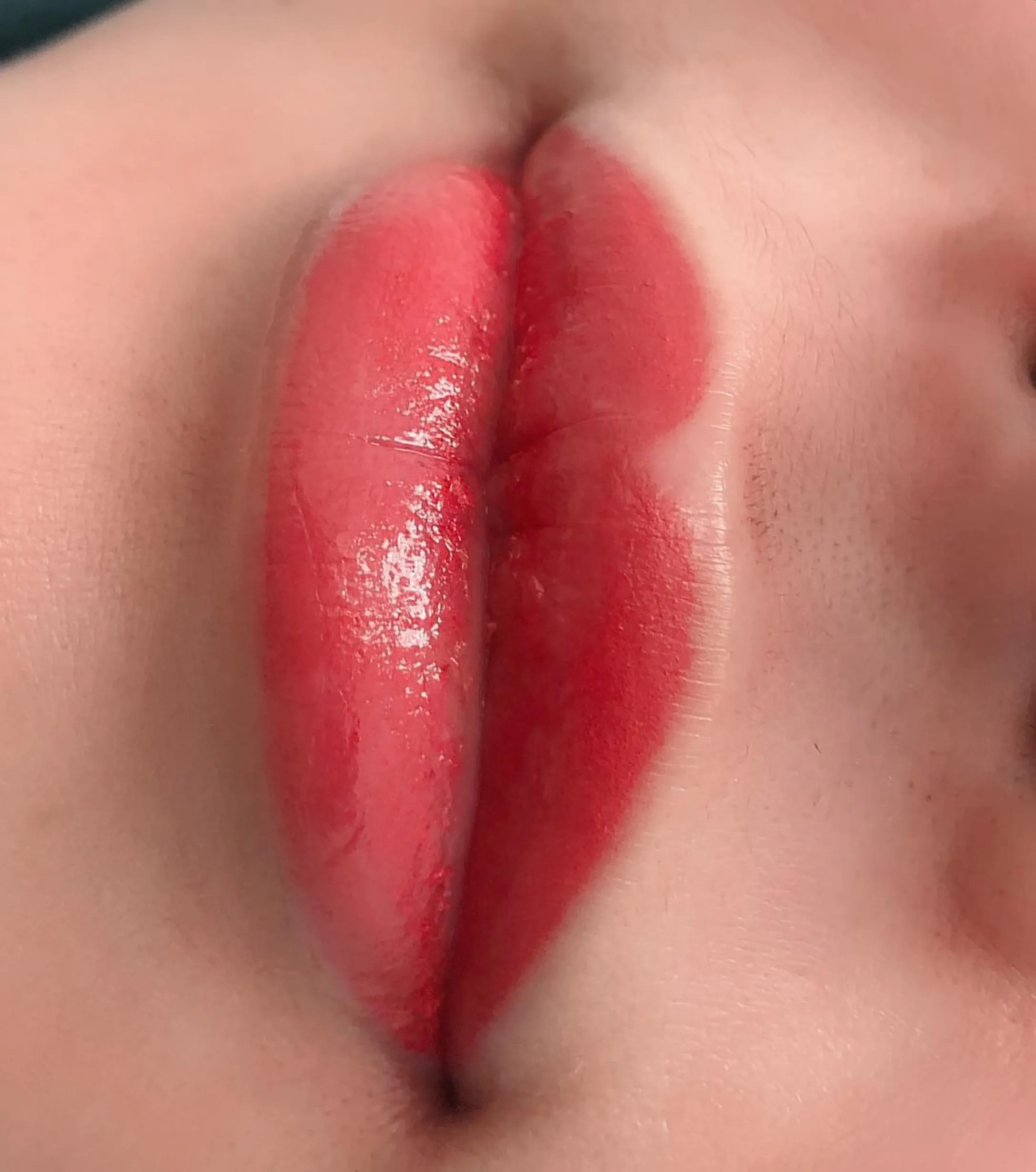
Your lips aren’t just sensitive — they’re uniquely delicate and vascular. That means they need careful, breathable protection while your skin seals and regenerates after a cosmetic lip tattooing session like Lip Blush Tattoo, Full Lip Colour or Lip Liner.
Whether you’re doing traditional lip tattooing or a corrective lip neutralisation procedure, choosing the right balm is key to minimising trauma and encouraging healthy healing.
The right healing balm or healing jelly plays a big role in:
- Preventing scabbing and flaking that can lead to patchy pigment
- Soothing inflammation without clogging your pores
- Locking in moisture while allowing oxygen to assist healing
And here’s the kicker: not all balms are created equal. Some products might feel hydrating, but actually trap bacteria or suffocate the skin. That’s where Vaseline comes under fire.
Why Vaseline Isn’t Ideal for Fresh Lip Tattoos
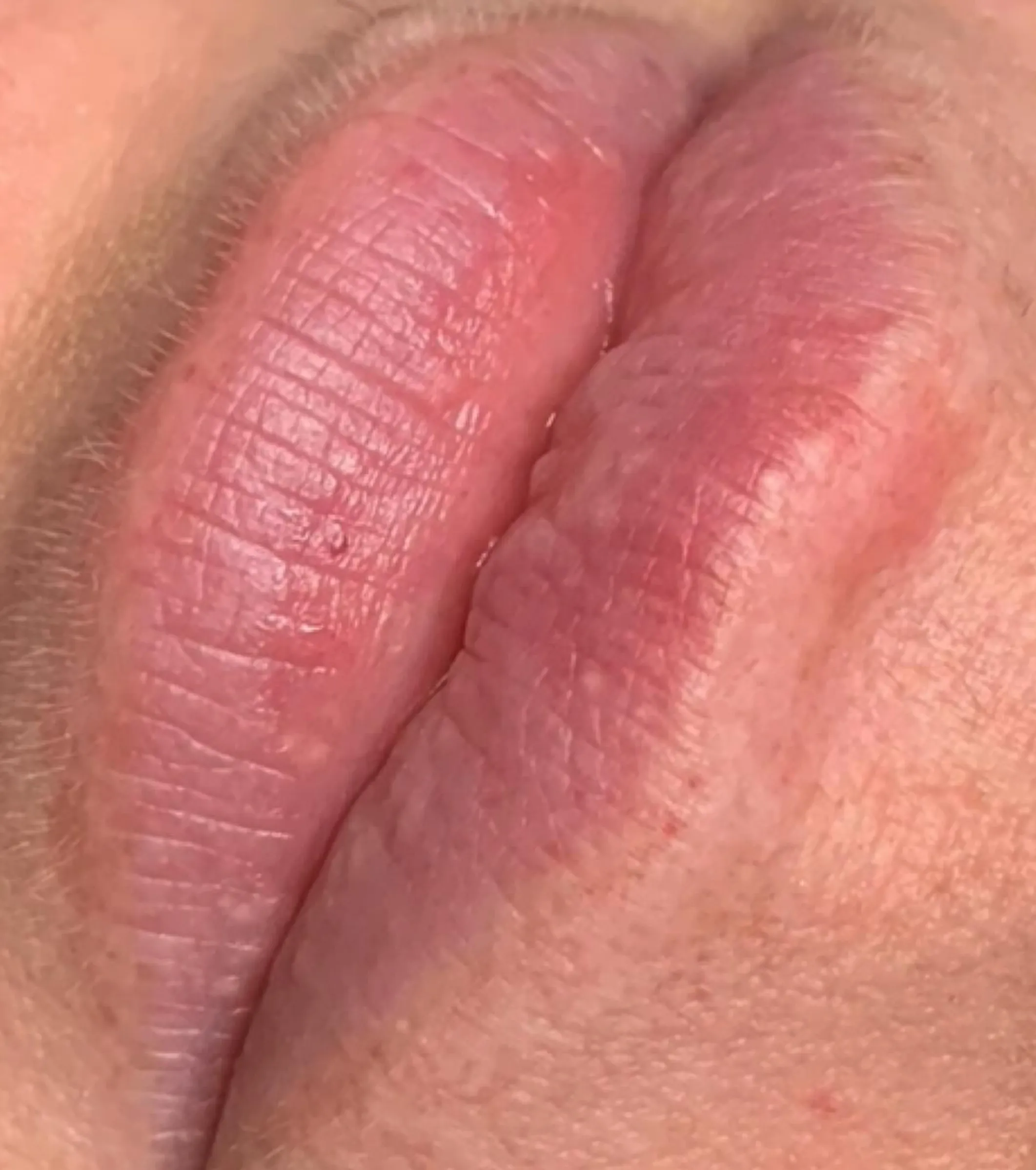
Petroleum jelly (like Vaseline) is an occlusive, meaning it forms a thick, waxy barrier on the skin. While that’s great for chapped elbows, it’s not the best idea for healing tattooed lips.
Here’s why professionals recommend avoiding it during healing:
- Traps heat and moisture: That can cause the wound to overheat, prolonging inflammation and increasing the risk of Herpes Virus reactivation (cold sores).
- Blocks oxygen exchange: Your skin needs airflow to regenerate effectively.
- Increases risk of infection: Occlusives can seal in bacteria and stop the skin from ‘breathing.’
- Interferes with pigment settling: Clients using Vaseline often report uneven fading or poor colour hold.
Our 2025 client trend audit at Face Figurati found 30% more pigment dropout when petroleum products were used during healing vs breathable balms.
What to Use Instead: Healing Balms That Help
Use aftercare products that hydrate, protect and repair the skin without suffocating the area. We recommend:
- Bepanthen Tattoo (not nappy cream): Fragrance-free, light texture, derm-approved for tattoo healing.
- Dermal Therapy Lip Balm Enriched: Good for dry climates like Melbourne’s winter.
- Tattoo-specific healing ointments: Brands like Hustle Butter, Healing Balm, or Tattoo Goo have non-petroleum formulas.
If you’re healing from a lip tattoo cosmetic enhancement, these gentle, breathable products will support pigment retention and reduce the risk of post-treatment irritation.
Avoid anything with:
- Menthol or camphor (can sting and irritate)
- Fragrance or essential oils (too sensitising)
- Alcohol (dries the skin)
- Vaseline lip spray or coconut oil, olive oil and other occlusives
Always apply with clean fingers or a cotton bud — and never double dip. Stick to your artist’s aftercare instructions to prevent complications like fever blisters or allergic reactions.
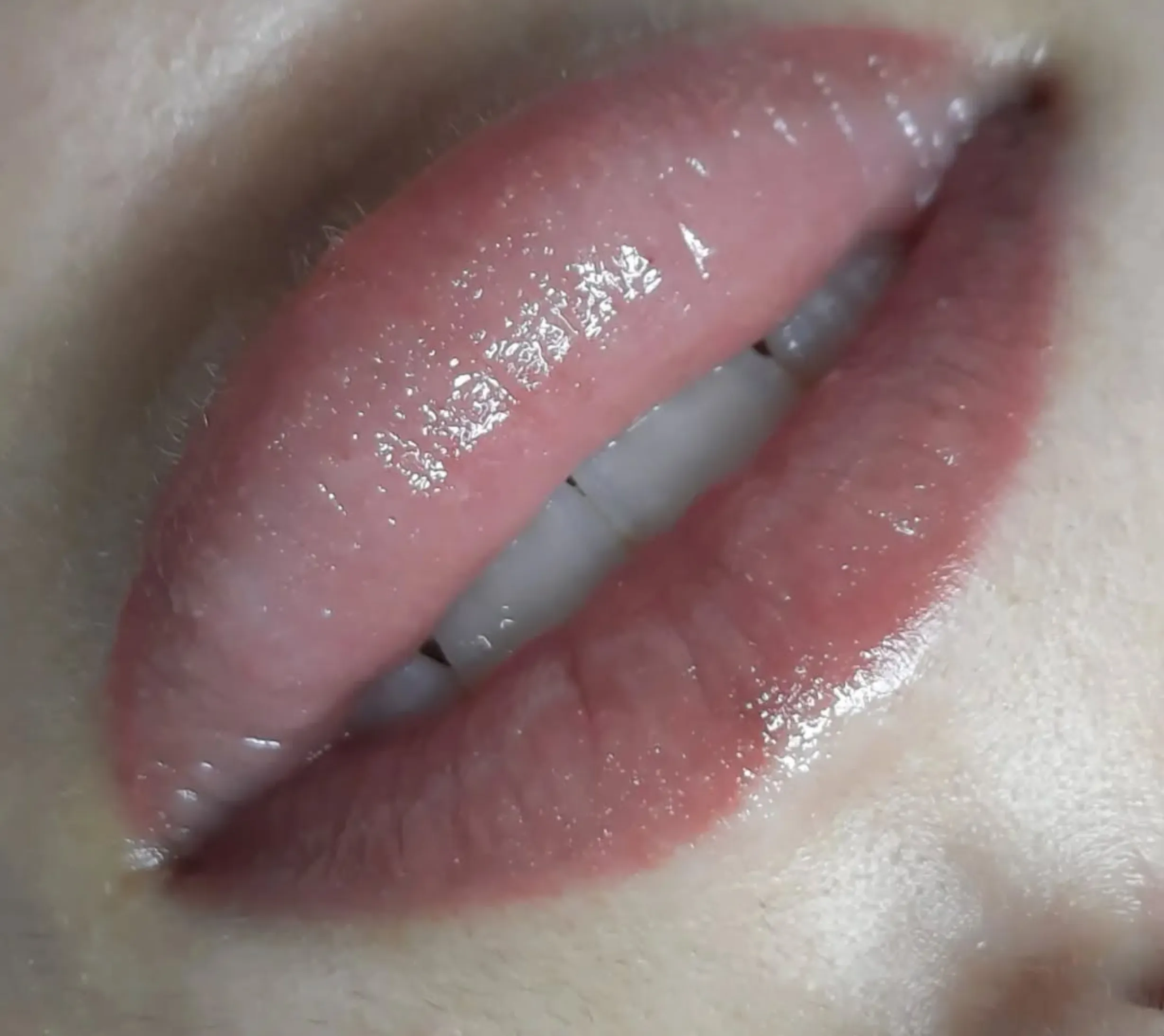
Healing Timeline: What to Expect Week by Week
| Stage | Timeline | What’s Happening | Care Tip |
|---|---|---|---|
| Day 1–2 | Immediate healing | Swelling, tenderness, oozing | Blot gently, apply balm sparingly, and use ice packs |
| Day 3–5 | Flaking begins | The top layer starts peeling | Don’t pick! Keep balm light, avoid spicy food |
| Day 6–10 | Dryness + fading | Looks too light (normal!) | Moisturise, be patient, no lip scrub or exfoliants |
| Week 3–4 | Pigment resurfaces | Colour evens out | Continue light hydration, use sun-protective clothing |
| Week 6–8 | Final results | Fully healed colour | Book a retouch procedure if needed |
Fish oil, blood thinning vitamins, chemical peels, Alpha Hydroxy or glycolic acid products can interfere with healing and should be paused around treatment sessions.
Pro Tips from the Treatment Room
We’ve seen hundreds of lips heal in every season, skin type and condition. A few rules we live by:
- Don’t use Vaseline, paw paw, or petroleum-based products: They block airflow and mess with pigment.
- Sleep elevated for the first few nights to reduce swelling.
- Avoid hot drinks, spicy food and kissing for 48 hours. No one wants cross-contamination or cold sores.
- Wear sun-protective clothing and avoid sun tanning: UV rays can bleach pigment and slow healing.
- Avoid lipstick, lip scrub with brown sugar or lemon juice during healing.
- Check your toothpaste: Use a gentle, alcohol-free one to avoid irritation.
For clients having lip tattooing or combination treatments like Vascular Reduction and lip blush, proper aftercare makes all the difference in how your results heal and how long they last.
If in doubt, we always recommend clients stick with the aftercare kit provided at Cosmetic Tattoo Studio Face Figurati in Melbourne. It’s designed to support pigment retention and minimise reactions during the lip blush tattooing healing stages.
Melbourne Skin, Melbourne Climate: Why It Matters
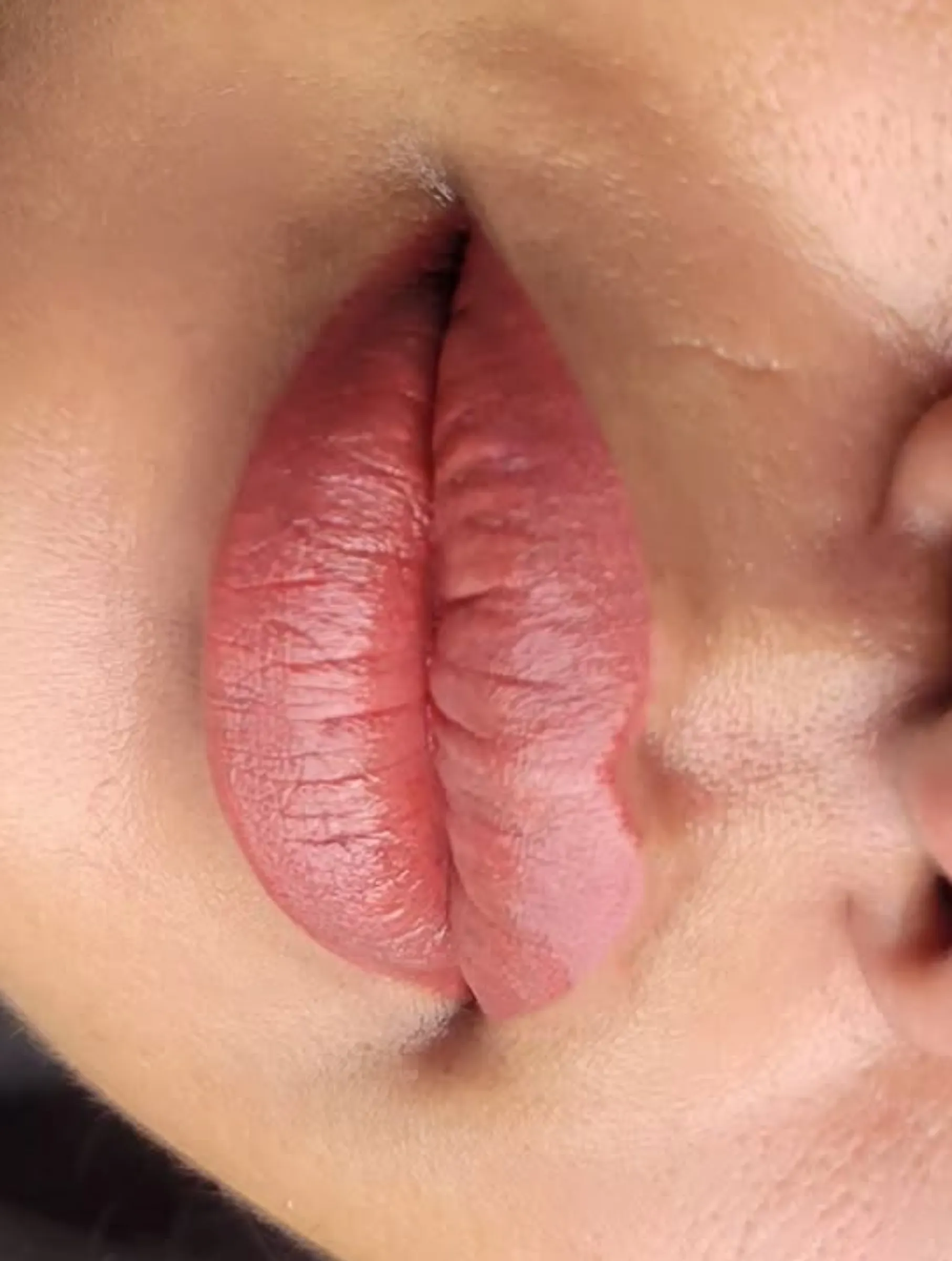
Our cool, dry winters and ever-changing weather can be harsh on healing lips. The lack of humidity can dry out your skin faster than you think. Add that to heaters and wind chill, and you’ve got a recipe for extra flaking if your aftercare isn’t on point.
That’s why breathable hydration matters — especially in Melbourne. Many of our local clients find they need to reapply healing balm more frequently in winter and avoid lip balms with peppermint, lanolin or strong essential oils.
The Bottom Line
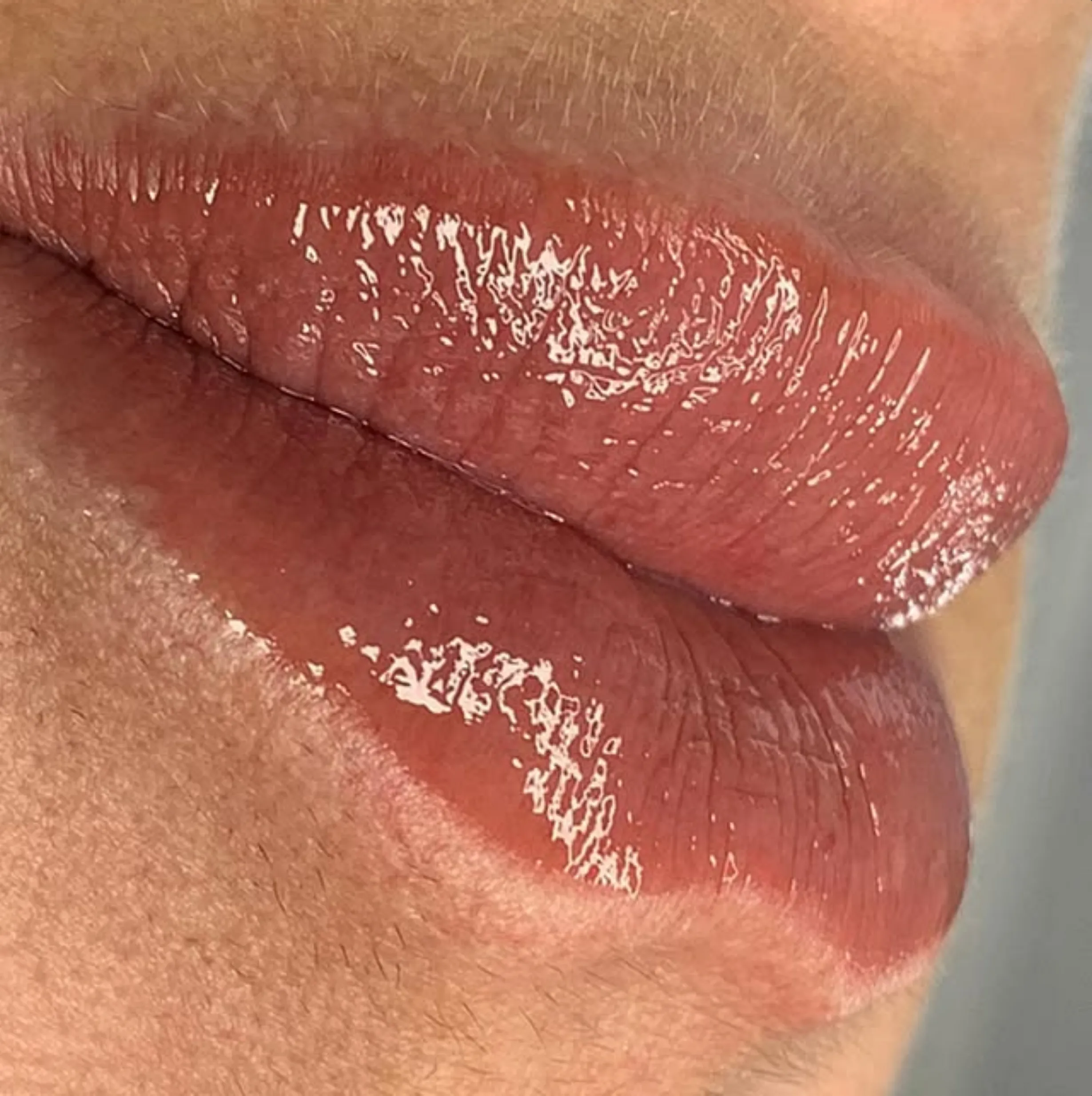
Technically? You can. But should you? No way. When it comes to cosmetic tattooing and permanent cosmetic procedures like Lip Blushing or Cosmetic Lip Tattoo, what you put on your skin is just as important as the pigment going in.
For those getting lip neutralization to balance darker pigmentation, using the wrong product during healing can lead to poor colour payoff or irritation, and nobody wants that.
So if you’re wondering, “Can I put Vaseline on my lip tattoo?” — nope, skip it and reach for something designed to support healing, not hinder it. Follow professional aftercare instructions and prioritise products that work with your skin’s biology.
FAQ
What if I used Vaseline on my lip tattoo by mistake?
Don’t panic — just stop using it immediately and switch to a recommended aftercare balm. Keep the area clean and watch for signs of irritation, pigment loss or cold sores.
Is paw paw ointment better than Vaseline?
Not really. Most commercial paw paw products still contain petroleum jelly as a base. Choose a petroleum-free healing balm specifically designed for lip tattoo aftercare.
Can I use Aquaphor instead?
Aquaphor is still a petroleum-based product, so not ideal. Some clients tolerate it better than Vaseline, but we still recommend tattoo-specific balms.
How long should I use aftercare balm?
At least 7–10 days, or until flaking stops and lips feel soft and settled. Don’t overdo it — a light layer 2–3 times a day is plenty. If using plastic wrap overnight, check with your technician first.
My lips feel too dry, but I’m scared to overdo balm?
Use a humidifier at night, drink plenty of water, and apply balm sparingly. You can supplement hydration with vitamin E-rich foods and green vegetables. If the dryness persists, check in with your artist or studio for advice.